

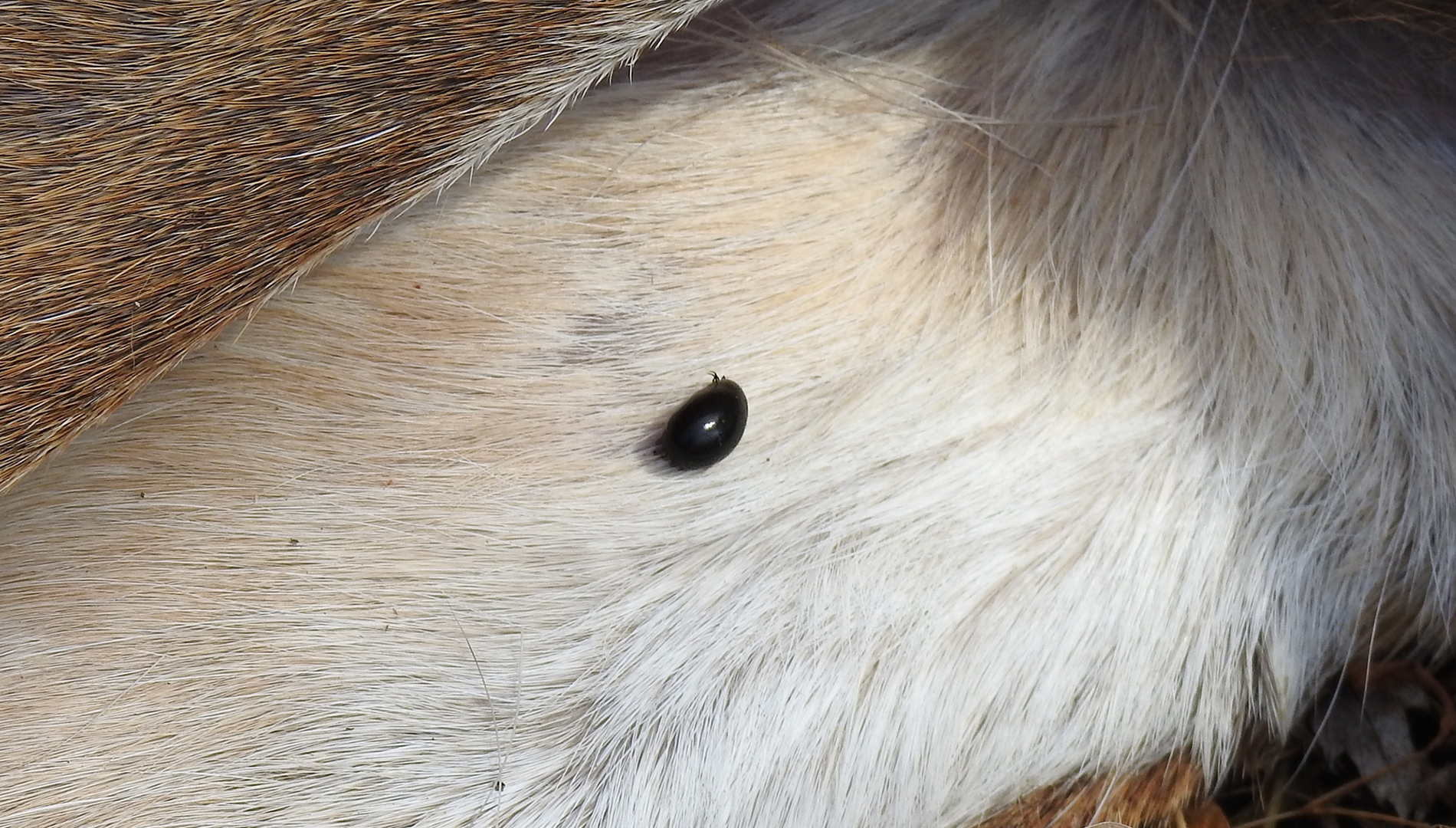
If you’ve spent enough time in tick-prone areas, you’ve probably seen ticks sucking the blood of deer. Logically, it makes sense that deer would at least be carriers of the Lyme disease spirochete. After all, white-footed mice and other mammalian tick hosts can be reservoirs for the bacteria.
But white-tailed deer are different. Their blood isn’t like the blood of other animals.
Scientists have been studying the relationship between deer and Lyme disease for decades. The newest research is quite fascinating, and in the following video, I address some of the misconceptions surrounding the role of deer in transmitting Lyme bacteria.
Do deer ever get Lyme disease? If they don’t, what is it about deer that makes them immune? If deer are immune, why do ecologists still advocate for a reduction in the deer herd as a way to reduce Lyme disease rates in humans?